Projects and
Partnership
We act in partnership with several other institutions that have similar or complementary objectives, missions and visions, which through different sectors, actors and solutions also seek to contribute to the sustainable development of the Legal Amazon.
Below are some of our current projects, a list that is in constantly ongoing.
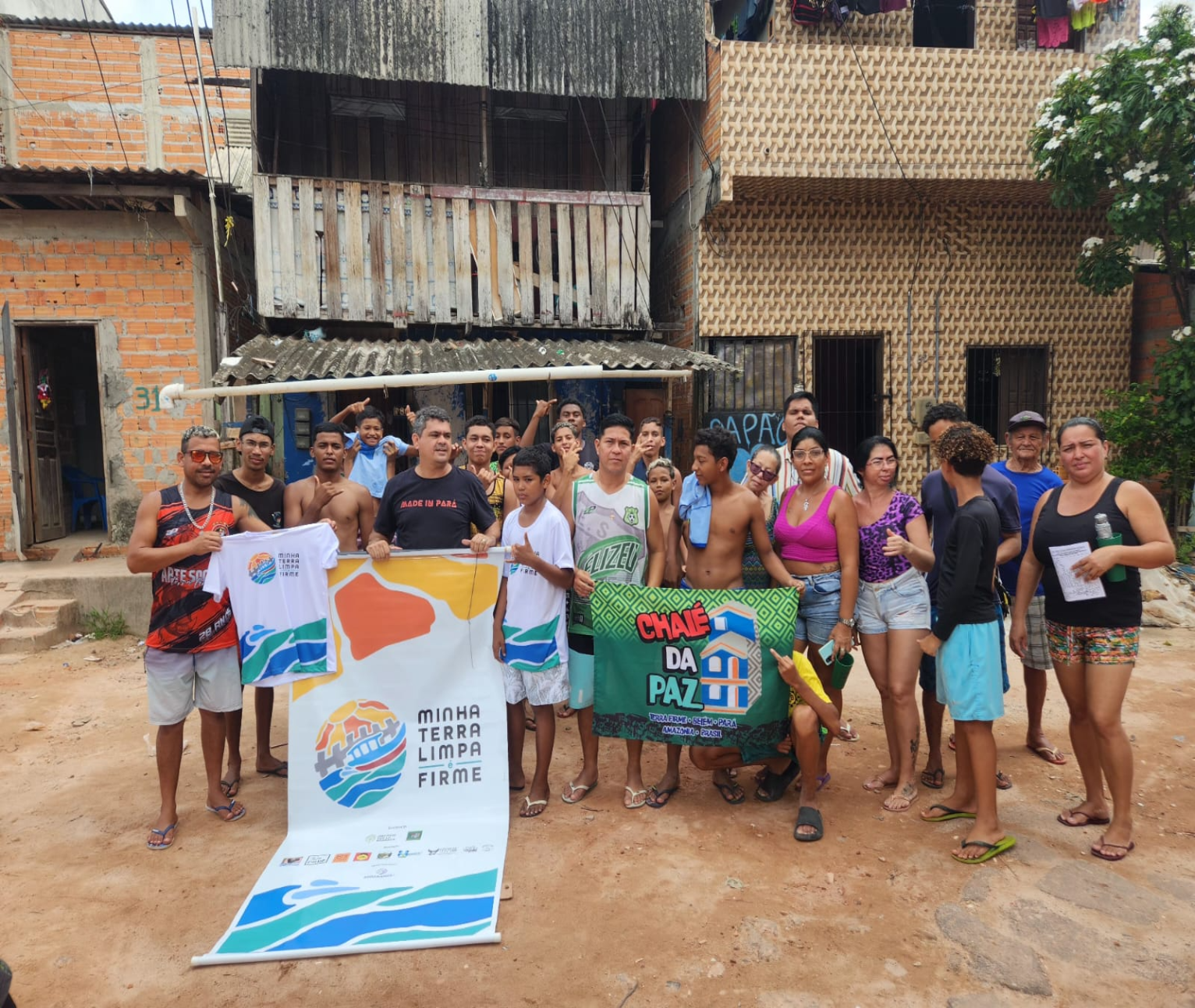
Minha terra limpa é firme
Minha Terra Limpa é Firme is a project operating at the intersection of environmental justice, civic participation, and territorial appreciation, with a focus on the urban reality of the Amazon. Implemented in the Terra Firme neighborhood of Belém, Pará, the project seeks to strengthen residents’ connection with the territory where they live through collective care for the environment, especially the region’s waterways.
The initiative mobilized residents, collectives, and local organizations through workshops, discussion circles, and hands-on actions such as clean-ups, participatory diagnostics, and seedling planting, resulting in broad popular engagement and community-designed solutions. As a milestone of this engagement, the Permanent Committee on Waste Management and Environmental Rights was created, bringing together nine social movements from Terra Firme, which now guide and monitor the project’s actions.
.png)
Casa Amazônia - NY
We served as a strategic supporter of the Casa Amazônia event, held in New York on September 23, 2024, during Climate Week. The Bem da Amazônia Institute (IBA) helped make the event possible, reaffirming its commitment to valuing standing forests, promoting the sociobioeconomy, and actively participating in decision-making spaces.
Casa Amazônia was a space for exchange and reflection, bringing together authorities, experts, and representatives of traditional communities to discuss the environment, Amazonian art and culture, and strategies to preserve the biome. IBA’s participation as a strategic supporter was key to encouraging Amazonian presence and leadership in global climate debates.
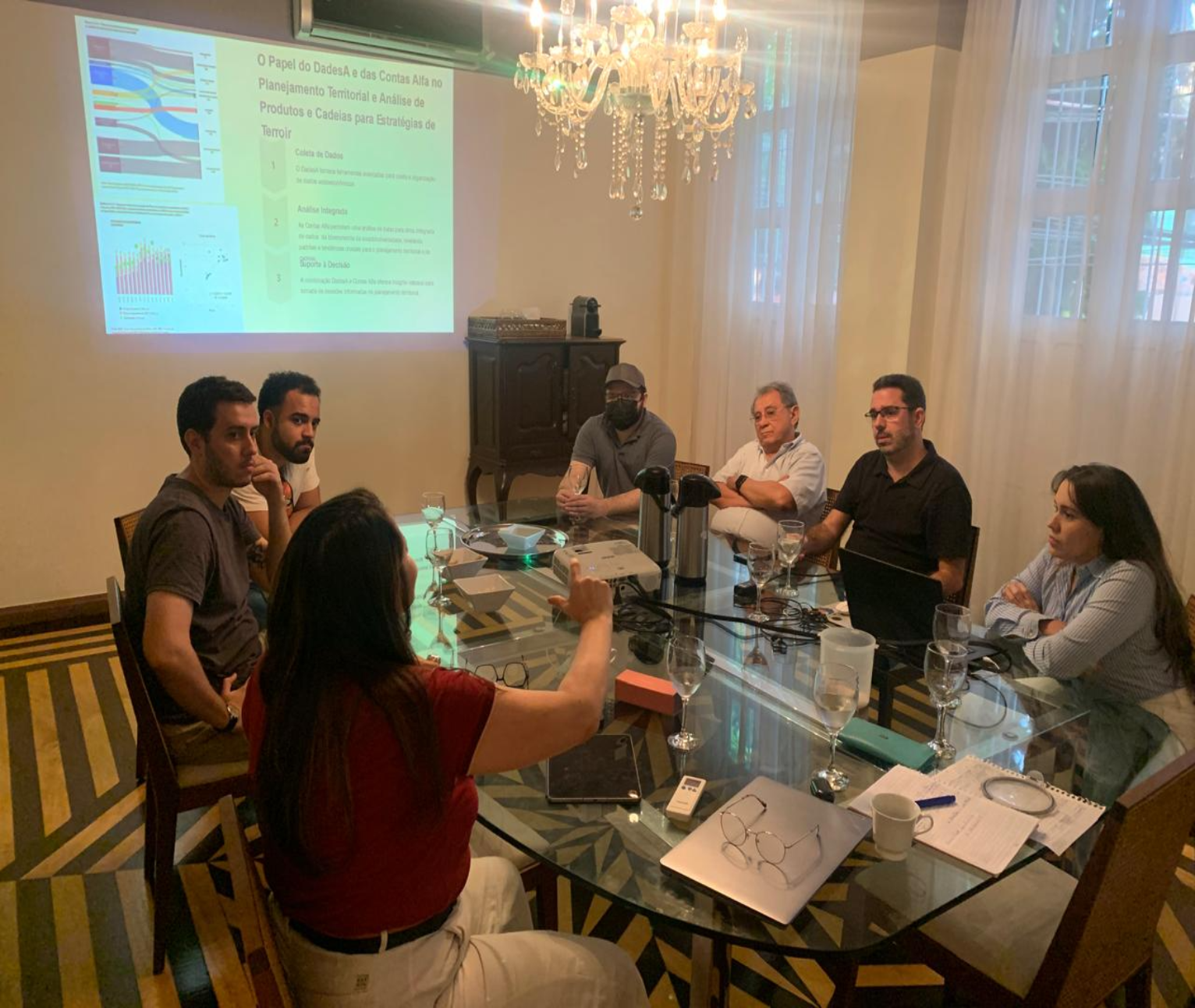
Contas Alfa
The Contas Alfa project aims to strengthen sustainable value chains in the Amazon region, based on the homonymous methodology developed by Prof. Dr. Francisco de Assis Costa (NAEA – UFPA), which enables the estimation of the financial and socio-environmental returns generated by the bioeconomy.
Drawing on the generated data, IBA will produce technical reports, policy briefs, and case studies to inform evidence-based public policy design. The strategy includes advocacy efforts and engagement with public managers and multilateral institutions.
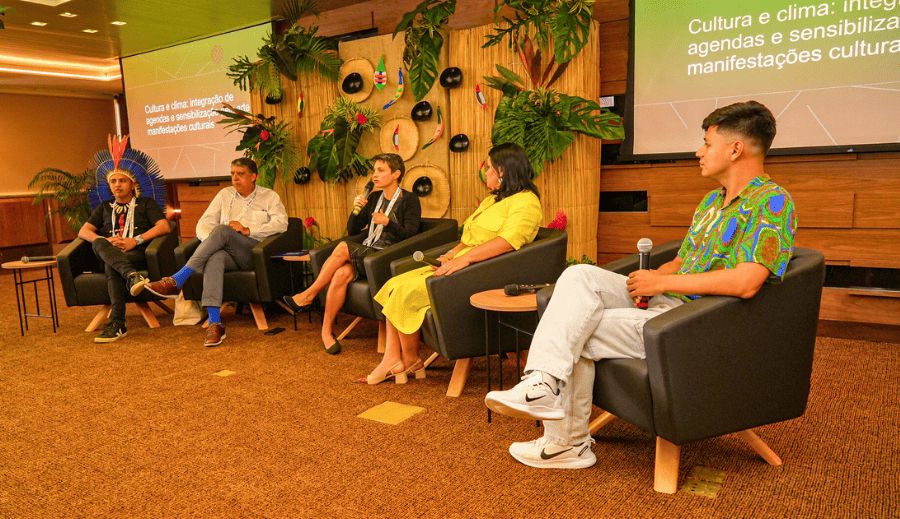
Programa Diálogos de Comunicação: Trilhas da Cobertura Climática
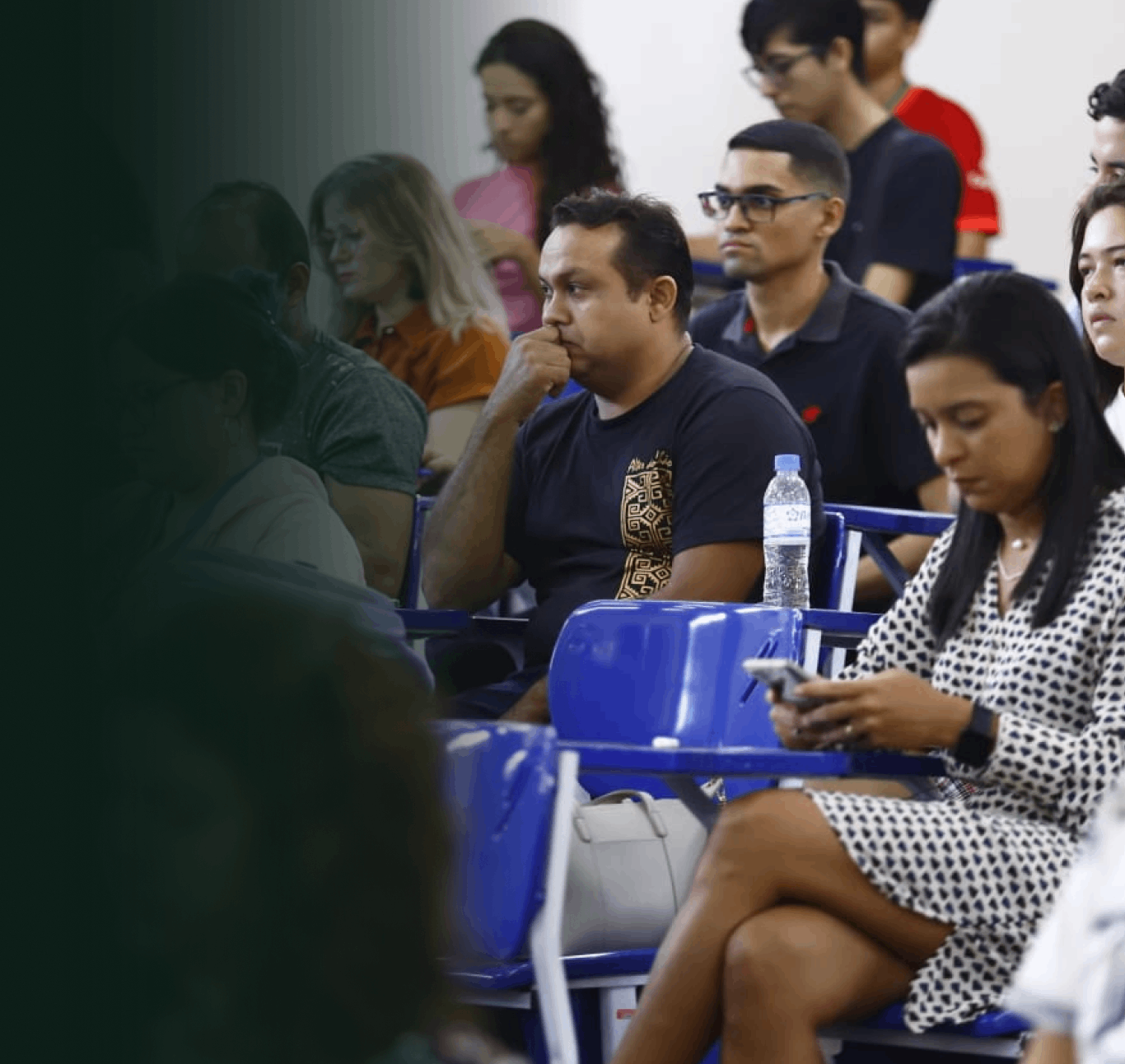
The Communication Dialogues Program: Climate Coverage Pathways is an initiative by the Bem da Amazônia Institute (IBA) aimed at strengthening the work of communicators, journalists, and students in covering climate change and combating misinformation.
The first stage, held in February 2025, featured four live-streamed online sessions covering topics such as climate policy, fact-checking, and digital tools, with experts from the UN, UNESCO, AFP, and Climate Tracker. The second stage consisted of in-person training on May 8–9, 2025, with workshops, lectures, and discussion circles, aiming to deepen knowledge exchange and equip Amazon-region communicators for more effective and responsible coverage.
Amazônia Vox
Accelerated by IBA through insights, strategies, collaborative engagements, and strategic partnerships, the project is an exchange platform designed to facilitate connections and spotlight topics of regional relevance, structured around three pillars that bring together experts from diverse fields, build a network of freelance professionals, and provide a space to showcase in-depth journalistic content.
Conheça o Amazônia Vox
CanopiX
Developed in Belém, Pará, with the support of the Instituto Bem da Amazônia, CanopiX was created to foster an innovation and entrepreneurship ecosystem focused on financing the conservation of tropical forests.
The project operates across four main pillars: (1) Innovation and Technology Hub, attracting researchers and startups to develop solutions in monitoring, AI, and traceability of sociobiodiversity; (2) Bridge between Finance and Communities, connecting Forest Finance to Indigenous peoples, riverine populations, and small producers through training and project structuring; (3) Coordination and Governance, promoting dialogue among governments, the private sector, and civil society — especially in the context of COP30; and (4) Research and Validation, investing in applied science and building credibility for financing mechanisms.
CanopiX also aims to become a global model of innovation and governance, replicable in other forest basins such as the Congo and Southeast Asia.
Conheça o CanopiX
Partnership





Acelerado por: